







Search Results for: how many times a coffee tree bears fruit
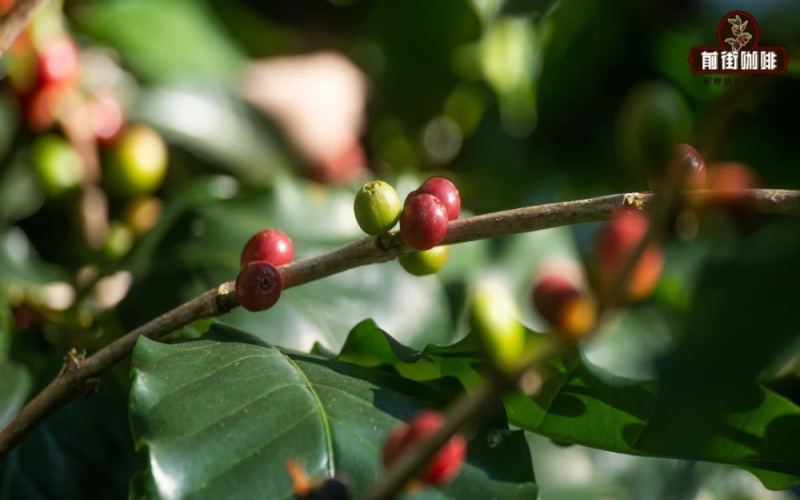
A Detailed Guide to How Many Times a Coffee Tree Fruits Per Year and Yield Per Mu: From Planting to Achieving Coffee Freedom
Many coffee enthusiasts have dreamed of leaving the hustle and bustle behind to live by the mountains. If they could plant coffee trees with their own hands—from flowering to fruiting, and then to roasting and brewing—they would truly achieve coffee freedom from seed to cup. But how many times a year does a coffee tree bear fruit? And how many coffee beans can one mu of land produce? These numbers directly relate to the feasibility of self-sufficiency. Front Street Coffee has been involved in coffee cultivation since 2013 and has accumulated rich experience through practice. Today, starting from the growth habits of coffee trees, we will provide a detailed analysis of the relationship between coffee yield and planting scale, helping every coffee fan with a pastoral dream to calculate this account clearly. [more…]
Yunnan Small-Bean Coffee Flavor Profile and Full Analysis of Its Origins and Varieties: How Good Is the Quality of Arabica Beans, Really?
As the main force of China's domestic coffee industry, Yunnan small-bean coffee has attracted increasing attention from coffee lovers in recent years. From 1892, when a French missionary planted the first coffee tree in Zhukula Village, to today, when its planting area accounts for more than 70% of the country's total, Yunnan coffee has traveled a long and unique road. This article will systematically review the cultivation history, main producing areas, variety composition, growth cycle, and flavor performance of Yunnan small-bean coffee, and, combined with cup quality analysis, explore the true quality level of Yunnan Arabica coffee beans. Whether you are a beginner just starting out or a seasoned enthusiast, you can gain a more comprehensive understanding of Yunnan coffee from it. [more…]
Guide to Authenticating Jamaican Blue Mountain Coffee: The Essential Difference Between Origin Blue Mountain and Blue Mountain Flavor Blends
Blue Mountain coffee is world-famous, yet the market is flooded with products bearing the words "Blue Mountain"—so which ones are truly authentic Jamaican Blue Mountain? This article begins with the historical origins, growing altitudes, varietal characteristics, processing methods, regional divisions, and grading standards of Blue Mountain coffee, systematically sorting out the certification system and flavor profile of authentic Front Street Blue Mountain coffee, and offering practical identification methods covering green bean appearance, grinding feel, aroma, and taste. It also clarifies the essential differences between "Blue Mountain flavor," "Blue Mountain blend," and genuine Blue Mountain coffee, helping coffee lovers avoid pitfalls when purchasing and enjoy a cup that truly lives up to its name. [more…]
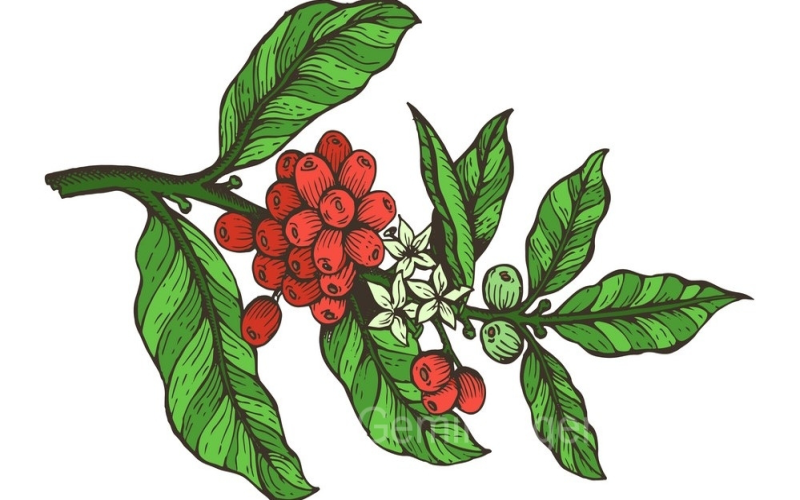
Typica Coffee Bean Variety Characteristics and Global Propagation History: Typica Cultivation and Flavor Through the Lens of Front Street Blue Mountain
Typica is one of the oldest varieties of Arabica coffee. Starting from Ethiopia, it traveled through Yemen, India, Europe, and Southeast Asia, and ultimately took root in Central and South America, shaping the map of today's coffee-producing countries around the world. This article will systematically review Typica's botanical characteristics and global spread, and provide a detailed reconstruction of how a single Typica seed grows into a coffee tree. At the same time, Front Street Coffee will combine the roasting, cupping, and brewing practices of Jamaican Blue Mountain Typica to help you experience the clarity, cleanliness, and balanced flavor of this classic variety. [more…]
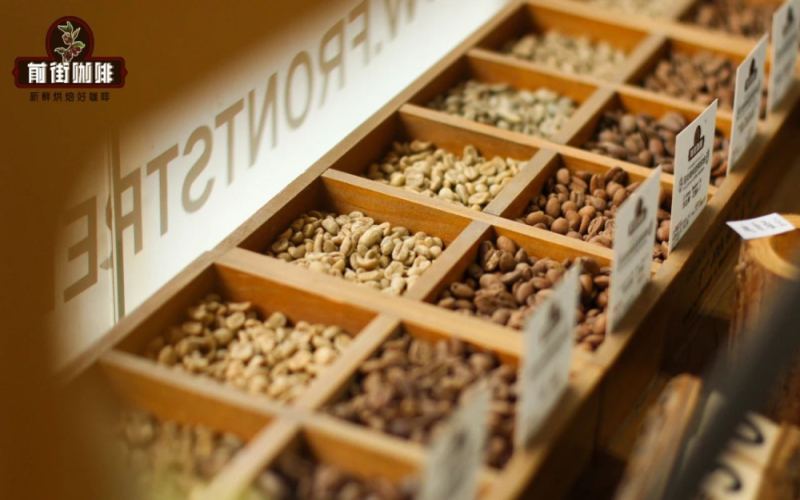
Tracing the History of Yunnan Coffee Cultivation and a Comprehensive Analysis of the Flavor Characteristics of Yunnan Arabica Coffee Beans
Yunnan, as China's largest coffee-growing region, has a coffee history that can be traced back over a century to when French missionaries introduced the crop to Zhukula Village. From Baoshan, Dehong, and Lincang to Pu'er, Yunnan's unique geographical and climatic conditions have nurtured small-bean coffee that is rich yet not bitter, aromatic yet not harsh, with a slight fruity note. In this article, Front Street Coffee will take you through the origin story of Yunnan coffee, outline the distribution of its main growing regions, analyze the characteristics of varieties such as Typica, Bourbon, and Catimor, and share the flavor differences between washed and natural processing methods along with brewing suggestions, for a comprehensive understanding of Yunnan coffee's past and present. [more…]
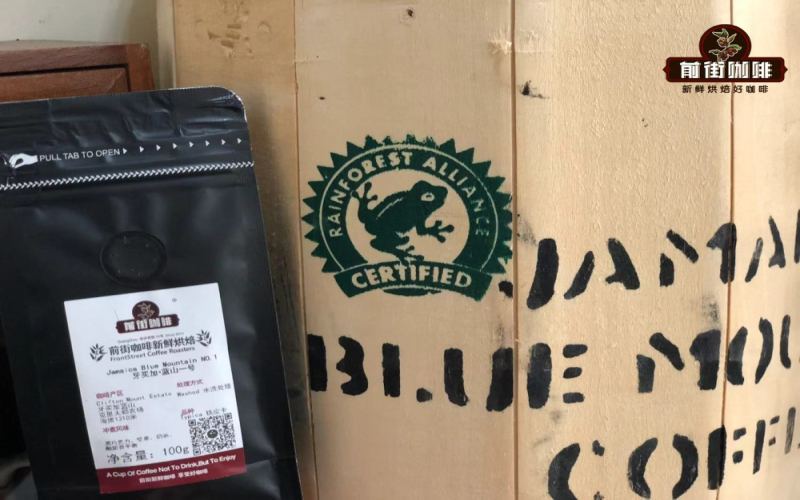
A Complete Guide to Jamaican Blue Mountain Coffee: Flavor Characteristics and the Cultivation and Processing Methods of Its Producing Region
Blue Mountain coffee is widely recognized as one of the finest coffees in the world, known for its delicate, balanced sweet-acidic-bitter flavor and full-bodied mouthfeel. But exactly what kind of coffee can bear the name "Jamaican Blue Mountain"? What are the finer points of its origin certification standards, varietal characteristics, grading classifications, and processing methods? Starting from Front Street Blue Mountain coffee, this article systematically covers the growing conditions of Jamaican Blue Mountain, the scope of CIB certification, the history and environmental practices of Clifton Estate, the unique characteristics of the Typica variety, and the differences between washed and natural processing methods, along with complete brewing parameter recommendations for Front Street Blue Mountain No. 1 coffee, providing coffee enthusiasts with a comprehensive guide to Blue Mountain coffee knowledge. [more…]
How to Raise Coffee Seedlings and Establish a Plantation? A Systematic Cultivation Guide from Propagation and Planting to Pruning and Fertilization
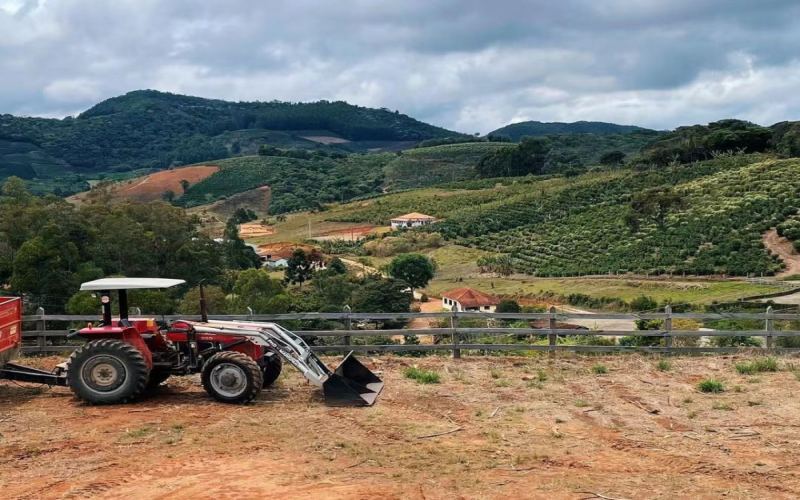
The flavor foundation of a good cup of coffee is laid the moment the seed touches the soil. This article systematically outlines the complete technical chain of coffee from seedling propagation to plantation management: seed collection and washing in seed propagation, nursery establishment, germination acceleration and transplanting, and seedling-stage care; the key operational points of cutting and grafting in asexual propagation; and then extends to coffee plantation site selection and planning, land clearing and field planting, shade tree configuration, single-stem and multi-stem training and pruning techniques, as well as soil management measures such as weeding and mulching, deep plowing and soil improvement, and irrigation and fertilization. For enthusiasts who wish to gain a deeper understanding of the logic of coffee cultivation and build a systematic awareness from origin to cup, this is a solid technical reference. The variety terminology and operational standards involved in the [more…]
Brazilian Coffee Flavor Characteristics and Brewing Guide: Analysis of Producing Regions, Varieties, Taste Profile, and Front Street Coffee's Recommended Beans
Brazil is the world's largest producer of Arabica coffee beans, and fluctuations in its output directly influence international futures prices. In recent years, a combination of extreme weather, economic conditions, and energy policies has tightened Brazil's coffee supply and caused notable price volatility. This article begins with the flavor characteristics, cultivation history, and main producing regions of Brazilian coffee, sorts out the flavor differences among key varieties such as Red Bourbon and Yellow Bourbon, and, drawing on two beans currently sold by Front Street Coffee—Fazenda Rainha and Cerrado—introduces their cupping performance and brewing parameters, helping coffee lovers gain a comprehensive understanding of the logic of Brazilian coffee origins and how to drink them. [more…]
Sourcing the Brazilian Yellow Bourbon Coffee Variety: Fruit Color Genetics, Flavor Profile, and an Analysis of Queen's Estate Front Street Roasting
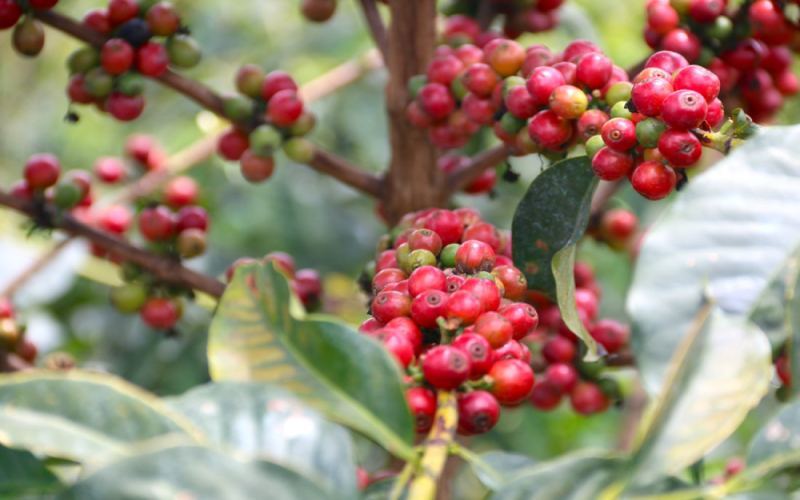
Yellow Bourbon is a rather legendary variety on the Brazilian coffee map, named for the rare yellow color of its ripe fruit, and it has regained attention amid the specialty coffee wave. This article provides a complete overview of Yellow Bourbon's development, from its varietal origins, genetic mechanisms, and agronomic characteristics to its flavors in the cup, and introduces how Queen's Farm unlocks its sweetness and citrus acidity through meticulous natural processing and hand-picking. It also combines Front Street Coffee's roasting practice to present this bean's balanced expression with notes of nuts, peanut butter, and dark chocolate, making it suitable reading for enthusiasts who wish to gain a deeper understanding of Brazilian specialty coffee. [more…]
The Origins of Coffee Cultivation in Brazil and Analysis of Two Major Bourbon Varieties: A Complete Guide to Front Street Coffee's Pour-Over Parameters
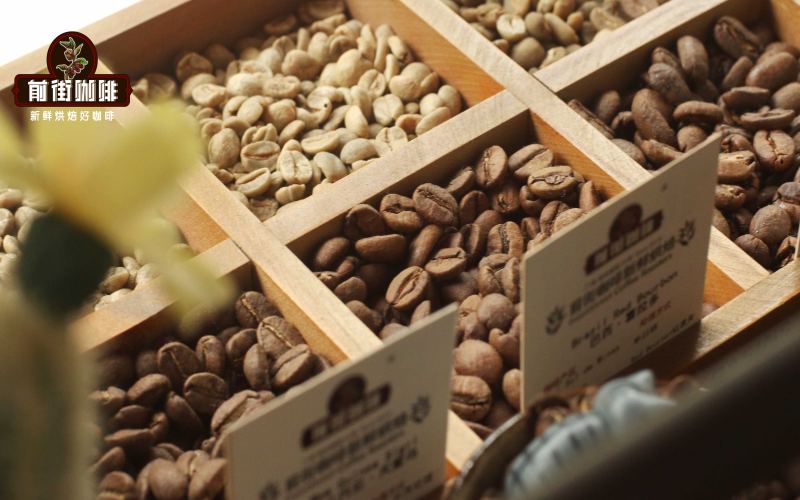
Brazil, as the world's champion in both coffee production and exports, has coffee beans with nutty and cocoa flavors that are deeply favored by enthusiasts. From the perspective of Front Street Coffee, this article systematically reviews the three-hundred-year planting history and main producing regions of Brazilian coffee, deeply analyzes the flavor differences between the two major varieties, Red Bourbon and Yellow Bourbon, and provides a detailed introduction to the product information of Front Street Brazil Red Bourbon and Queen's Farm Yellow Bourbon, as well as the unique characteristics of the semi-washed processing method. At the end of the article, the complete pour-over extraction parameters and brewing techniques for Front Street Brazilian coffee beans are attached, helping pour-over enthusiasts stably reproduce a cup of rich and balanced Brazilian coffee at home. [more…]
There are over five hundred species of coffee trees worldwide, with subdivided varieties numbering as many as six thousand. Faced with such a dazzling array of coffee beans, many enthusiasts often recognize only the two major names, Arabica and Robusta, while having only a vague understanding of the family lineage behind them. This article systematically sorts out the complete脉络 of coffee varieties: first introducing the four major coffee tree species and their commercial value, then explaining in detail the two main lines under Arabica—Typica and Bourbon—as well as the common variants derived from them such as Mandheling, Blue Mountain, Kona, Maragogype, Pacamara, Caturra, Catuai, and Geisha, and finally supplementing with interspecific hybrid varieties of Arabica and Robusta. Whether you are a beginner just starting out or a seasoned player looking to refine your cupping knowledge, this lineage chart can help you build a clear framework for understanding coffee varieties. [more…]

A Beginner's Guide to Buying Coffee: How Newcomers Can Choose the Right Specialty Coffee Beans and Recommended Staple-Origin Regions
For those new to coffee, the sheer variety of coffee beans can be overwhelming. Drawing on Front Street's roasting experience, this article systematically covers the peak flavor window and storage essentials for specialty coffee beans, explains the shelf-life questions beginners often have, and details the origin information and roast dates to look for when selecting beans. It also introduces Front Street's everyday beans for beginners by three continents and seven origins—including Brazil Red Fruit, Colombia Huila, Costa Rica Tarrazu, Guatemala Huehuetenango, Ethiopia Yirgacheffe, Indonesia Lintong Mandheling, and Yunnan Arabica—helping beginners build an understanding of regional flavors and gradually find the taste they love. [more…]
Is Kopi Luwak Considered Specialty Coffee? Analyzing the Unique Flavor and Taste Truth of Civet Coffee
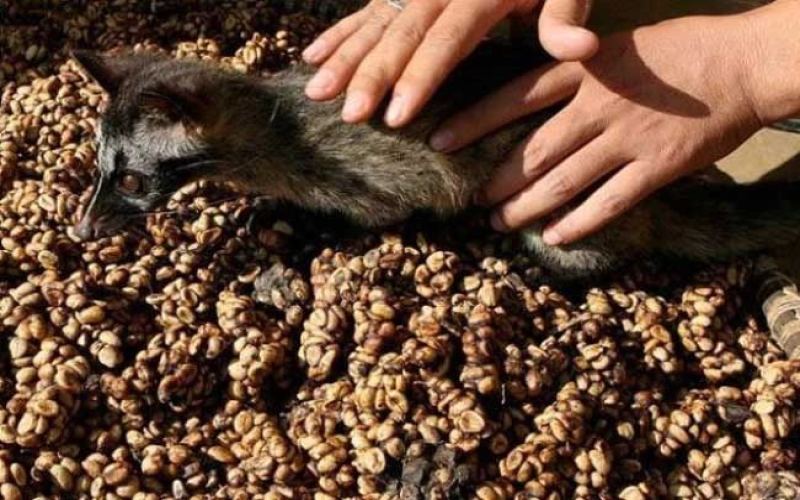
Kopi Luwak, scientifically known as civet coffee (Kopi Luwak), originates from Indonesia and is hailed as one of the most expensive coffees in the world, often classified within the specialty coffee category. Its flavor bears some resemblance to Indonesian Mandheling, yet it carries an extra layer of distinctive fermented notes, with a smoother mouthfeel and less of the earthy taste found in Mandheling. The uniqueness of this coffee stems from the natural fermentation process within the civet's body, and its production is extremely scarce, with only about four hundred kilograms produced globally each year. However, products on the market claiming to be Kopi Luwak are difficult to verify as genuine, and caged production has sparked controversies over animal welfare. Front Street Coffee does not recommend blindly chasing after it. This article will provide a comprehensive analysis of Kopi Luwak from the perspectives of flavor, craftsmanship, and market status, and recommend several high-quality alternative coffee beans. [more…]

The Global Spread of Typica Coffee and an Analysis of the Flavor and Quality of Blue Mountain Typica Coffee Beans
Typica, one of the oldest varieties within Arabica coffee, spread from Ethiopia to the world and profoundly shaped the global coffee-growing landscape. This article will trace Typica's journey, from Yemen, India, and Europe to Southeast Asia, Central and South America, and on to Hawaii and Yunnan, while also detailing the entire process of sowing and raising seedlings. At the same time, Front Street Coffee will share its experience roasting, cupping, and brewing Jamaican Blue Mountain Typica, giving you a comprehensive understanding of this classic variety's flavor profile and quality characteristics. [more…]
A Complete Guide to Brazilian Coffee Regions: Bourbon Variety Characteristics, Pulped Natural Processing, and Flavor Profile Guide
Brazil firmly holds the top spot in global coffee production, and its low-acid, full-bodied flavor profile has a large following in the coffee world. In Front Street Coffee's product line, from Queen Estate single-origin beans to the high-value everyday beans series, and to the seasonal drip coffee bags, Brazilian coffee can be seen throughout. This article will start from the introduction history and geographical conditions of Brazilian coffee, systematically sort out the classification and characteristics of the Bourbon variety, the process and pros and cons of the pulped natural method, and Brazil's coffee bean grading system, and attach the roasting, cupping, and brewing parameters of Front Street Brazil Queen Estate coffee, providing coffee lovers with a complete knowledge map of Brazilian coffee. [more…]
A Full Analysis of the Volcanic History Behind Guatemalan Antigua Coffee and Specialty Pour-Over Parameters
The ancient city of Antigua Guatemala is a jewel among World Heritage sites, and its coffee industry is inextricably linked to the activity of the surrounding active volcanoes. This article begins with the historical origins of Front Street Coffee's Guatemala Antigua, traces the long entanglement between this ancient city and the Fuego volcano, and provides an in-depth analysis of how volcanic ash soil nurtures the world's finest Bourbon coffee. At the same time, the article will share Front Street's recommended pour-over parameters—coffee-to-water ratio, grind size, water temperature, and the three-stage extraction method—to help coffee lovers brew a full-flavored cup of Antigua coffee at home. [more…]
A Detailed Guide to Brazilian Coffee Bean Flavor Characteristics and Pour-Over Techniques: Is Light Roast or Dark Roast More Suitable?
Brazil is the world's largest producer of Arabica coffee beans, and its production fluctuations directly affect international futures prices. In recent years, adverse weather, economic factors, and the impact of the pandemic have left Brazilian coffee in a state of supply falling short of demand. Brazil's coffee-growing elevations are generally low, the beans are relatively soft, and the flavor is dominated by nutty and chocolatey sweetness, balanced acidity and bitterness, and a full-bodied mouthfeel. This article provides a detailed introduction to Brazil's coffee-producing regions, main varieties, and flavor characteristics, as well as two Brazilian beans recommended by Front Street Coffee and pour-over brewing parameters, helping coffee enthusiasts gain a comprehensive understanding of Brazilian coffee and master the key brewing points. [more…]
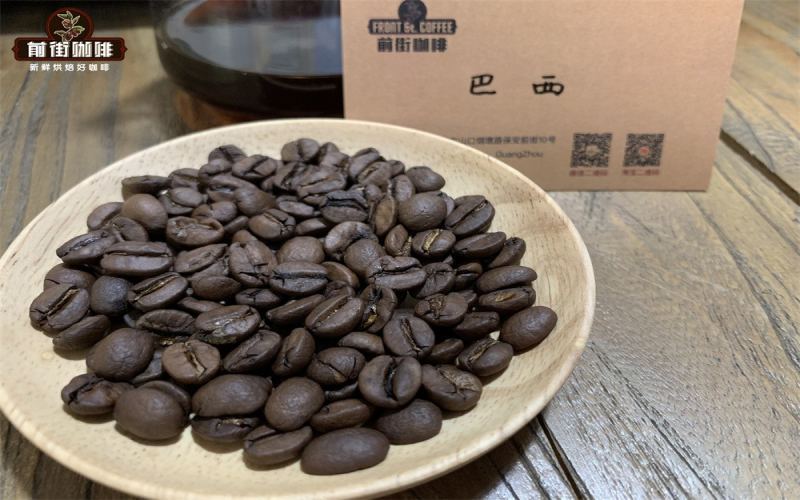
A Complete Analysis of Brazilian Coffee Bean Regions, Varieties, and Grades, with a Detailed Introduction to the Flavor Characteristics of Pour-Over Brazilian Coffee
Brazil, as the world's largest coffee producer, is renowned for coffee beans that are balanced in flavor, low in acidity, and prominently feature nutty and chocolate notes. This article will systematically introduce the main coffee-producing regions of Brazil, with a focus on analyzing the geographical characteristics of representative regions such as Cerrado, Sul de Minas, and Mogiana, as well as the flavor differences among core varieties like Red Bourbon and Yellow Bourbon. It will also provide a detailed explanation of how Brazil's unique pulped natural processing method improves coffee quality, along with hand-brewing parameters and brewing suggestions recommended by Front Street Coffee, helping coffee enthusiasts gain a comprehensive understanding of Brazilian coffee from origin to cup. [more…]
A Complete Guide to the Bourbon Coffee Family: Flavor Differences Between Red Bourbon, Yellow Bourbon, and French Mission Bourbon, and Their Typica Origins
Bourbon is an ancient coffee variety that mutated from Typica, with rounded beans and elegant flavors, making it a consistent winner among specialty coffees in the Americas. This article systematically reviews the origin and spread of Bourbon coffee, the characteristic differences between Red Bourbon and Yellow Bourbon, and the story of French Mission Bourbon's spread in Africa, and provides detailed roasting recommendations and flavor profiles for three Bourbon beans: Brazil Red Bourbon, Brazil Queen, and Kenya Hania. Bourbon presents similar base notes such as dark chocolate, nuts, and caramel under different terroir conditions, while also developing unique characteristics like tropical fruits due to microclimate and soil differences. Whether you are a beginner just getting into specialty coffee or a seasoned connoisseur wanting to understand the variety's origins in depth, you can gain practical reference from it. [more…]
A Complete Guide to Bourbon Coffee Beans: From Red, Yellow, and Pink to Pointed Bourbon—Varietal Characteristics, Spread History, and Price Reference
Bourbon coffee beans are one of the oldest varieties of the Arabica species, originating from Réunion Island (formerly known as Bourbon Island) and arising as a mutation of Typica. After centuries of spread and natural mutation, the Bourbon family has given rise to numerous varieties of different colors and forms, including Red Bourbon, Yellow Bourbon, Pink Bourbon, and Pointed Bourbon. This article will systematically review the origin and spread of Bourbon coffee, explain in detail the discovery process, flavor characteristics, and current cultivation status of each variety, and introduce the taste performance and brewing suggestions of the Bourbon series products under Front Street Coffee, helping coffee enthusiasts gain a comprehensive understanding of this classic variety. [more…]